How to Personalize Your Wedding So It Feels Like You—Not Pinterest From a wedding photographer who also happens to be a therapist.

When I think about personalization, my ADHD brain immediately flashes back to the 90s and early 2000s—when everything was monogrammed, keychains came with every letter of the alphabet, and I’d label my food in the fridge so my roommates wouldn’t steal it.
Fast-forward a few years, a couple of cameras, and a master’s degree later, and I see personalization through a different lens: humans naturally crave things that feel like they belong to us. It connects us to ourselves and to the people we love. That connection is part of our internal sense of worth and meaning.

As both a therapist and a wedding photographer, I come at this topic from a slightly different angle than the typical vendor. Using Pinterest or Instagram for inspiration can be incredibly helpful—I do it myself when I’m looking for pose ideas or figuring out how to remodel my bathroom. But I’ve watched something shift in the wedding industry. What starts as inspiration often turns into pressure, comparison, and stress.
And that’s where things get distorted.
When Personalization Turns Into Pressure
In therapy, we call this “cognitive distortions”—thinking traps we all fall into. No one is immune; they’re part of being human. Two distortions tend to show up the most in the wedding planning process:
1. Personalizing: “If my wedding doesn’t look like Pinterest, I’m doing it wrong.”
This distortion makes us believe things are our fault when they’re not—or that we’re failing because reality doesn’t match the highlight reel we see online. Pinterest and social media are curated to portray perfection.
But weddings are real. Real weather. Real timelines. Real humans.
When couples assume everything should look flawless, they end up feeling disappointed, doubting themselves, and even clashing with vendors, family, or each other.
2. People-Pleasing: “I have to make everyone happy.”
This usually stems from a deeply rooted belief that we’re responsible for everyone’s emotional wellbeing. That is a heavy burden, especially on a day that’s supposed to celebrate connection—not performance.
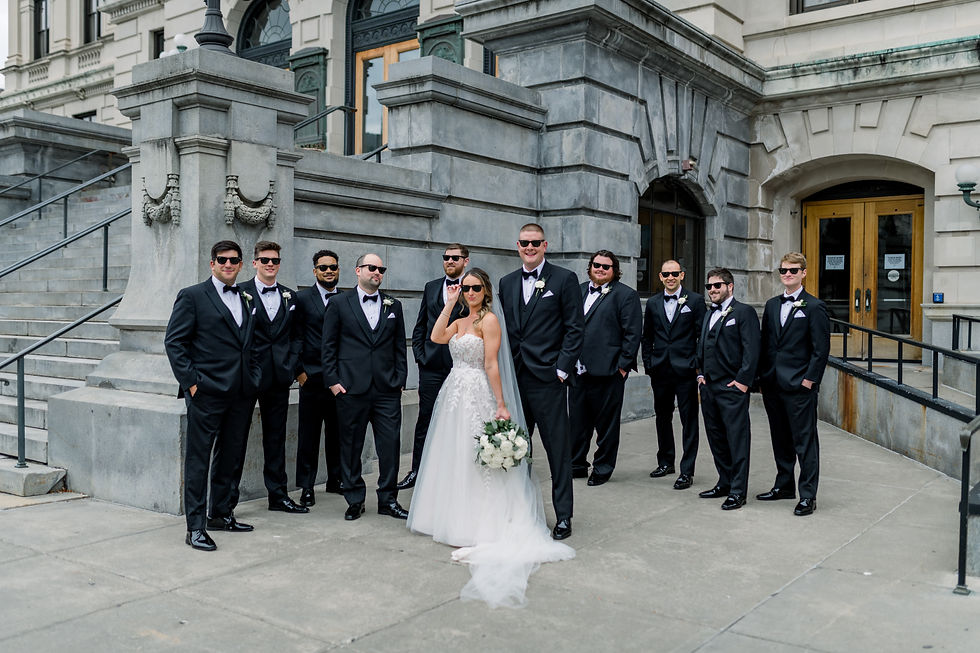
This is when decision fatigue sets in. Poses get replicated instead of personalized. Couples start choosing what they think will make everyone else happy. The day becomes orchestrated instead of organic- the worst part is the joy fades.
---
How to Stay Grounded and Keep Your Wedding- Yours
Here are ways to stay present, authentic, and connected—to yourselves, each other, and the celebration you’re creating:
1. Challenge expectations—yours and society’s.
Let’s zoom out: a wedding is one day. Marriage is the actual lifelong commitment.
Say it with me (with some sass):
A wedding is a party you’re hosting. Host it however you want—within your real-life means.
2. Use Pinterest/social media as a starting point, not a blueprint.
Let it help you clarify a vision, but then shift toward planning choices that reflect your relationship—not someone else’s curated version of it.
3. Communicate the unspoken expectations.
Many wedding conflicts come from silent “shoulds” shaped by social media. Talking about these directly helps with flexibility, creativity, and boundary-setting with each other, family, and guests.
4. Ask yourselves the grounding questions:
What are our realistic expectations for the day?
What budget is actually sustainable for us?
What are our non-negotiables—for ourselves, for our families, and for the experience?
Are we prioritizing connection, not performance?
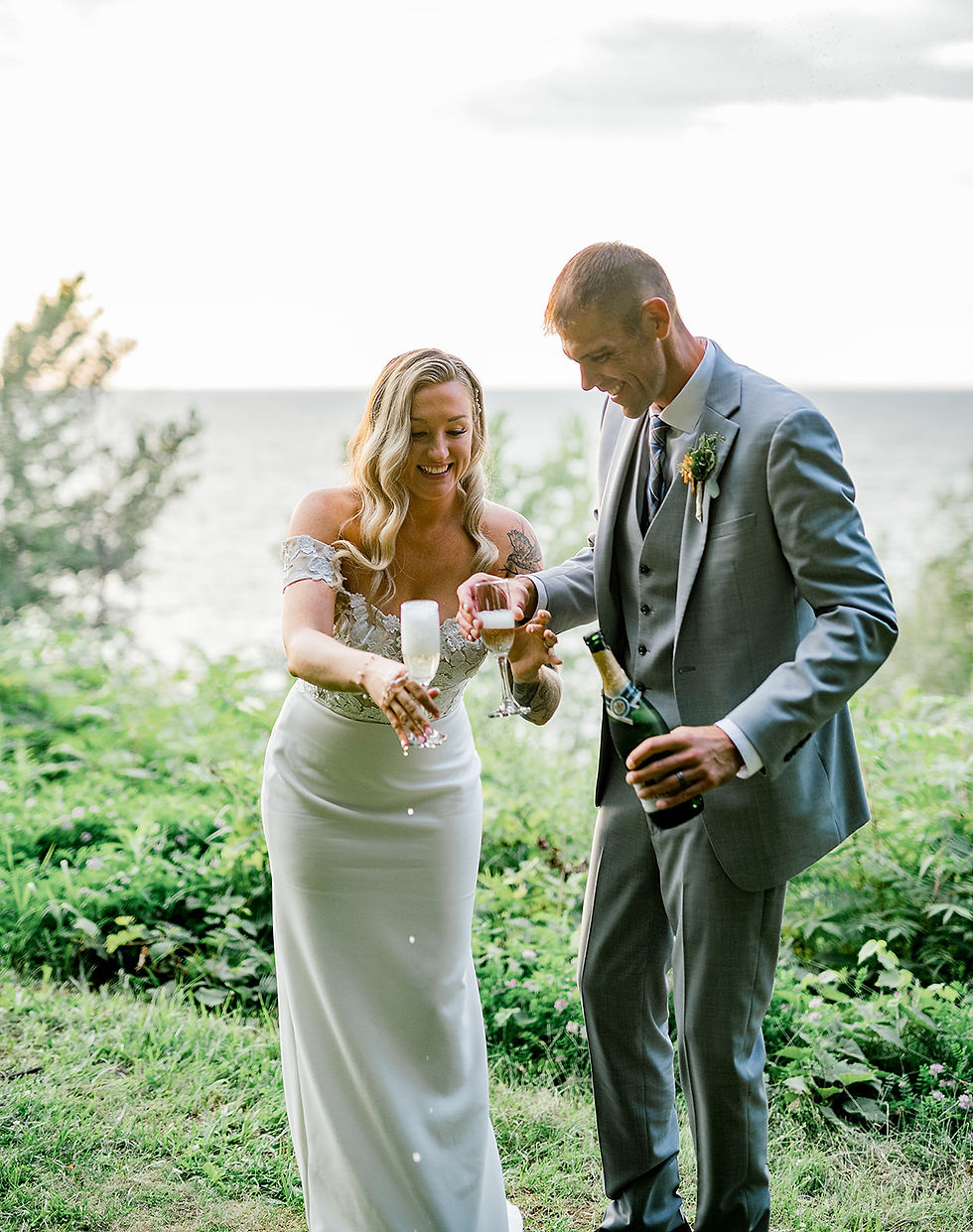
Whether your budget is $50 or $20k, your day is not “ruined” because you didn’t do a champagne tower or recreate a viral video.
5. Blend culture, family, and individuality intentionally.
How do you want to honor your people?
What traditions matter?
What do you want to redefine or modernize?
Find the balance between respecting yourself, respecting others, and preserving the relationships that matter.

6. Divide responsibilities and honor each person’s wants.
A wedding isn’t about one person—it’s about both of you.
Does one of you want a specific suit color? A cake flavor? A pizza bar?
If you love pizza… just have pizza. Truly.
---
Final Thoughts
You can’t measure the financial cost of a wedding against the emotional weight of your partnership.
You can’t build a strong “we” without a strong “you” and “me.”
As a therapist, I can see how easily people lose sight of that—especially under the pressure of perfectionism.
The best wedding days are the ones that feel real, present, meaningful, and reflective of the two people at the center of it all.
Comments